
Understanding ABA: Small Steps, Big Progress
- hrochelle4
- Apr 20
- 1 min read
Applied Behavior Analysis (ABA) is more than just a therapy approach—it’s a way of understanding how people learn, grow, and interact with the world around them. At its core, ABA focuses on improving meaningful behaviors by breaking them down into small, manageable steps and reinforcing progress along the way.
For many children, especially those with autism, everyday tasks can feel overwhelming. Things like getting dressed, communicating needs, or following routines may not come naturally. ABA helps by teaching these skills step by step, using encouragement, consistency, and positive reinforcement. Instead of focusing on what a child can’t do, ABA highlights what they can do—and builds from there.
One of the most powerful aspects of ABA is how individualized it is. No two people learn the same way, so ABA plans are tailored to fit each person’s needs, strengths, and goals. Whether it’s improving communication, reducing challenging behaviors, or increasing independence, every plan is designed with purpose.
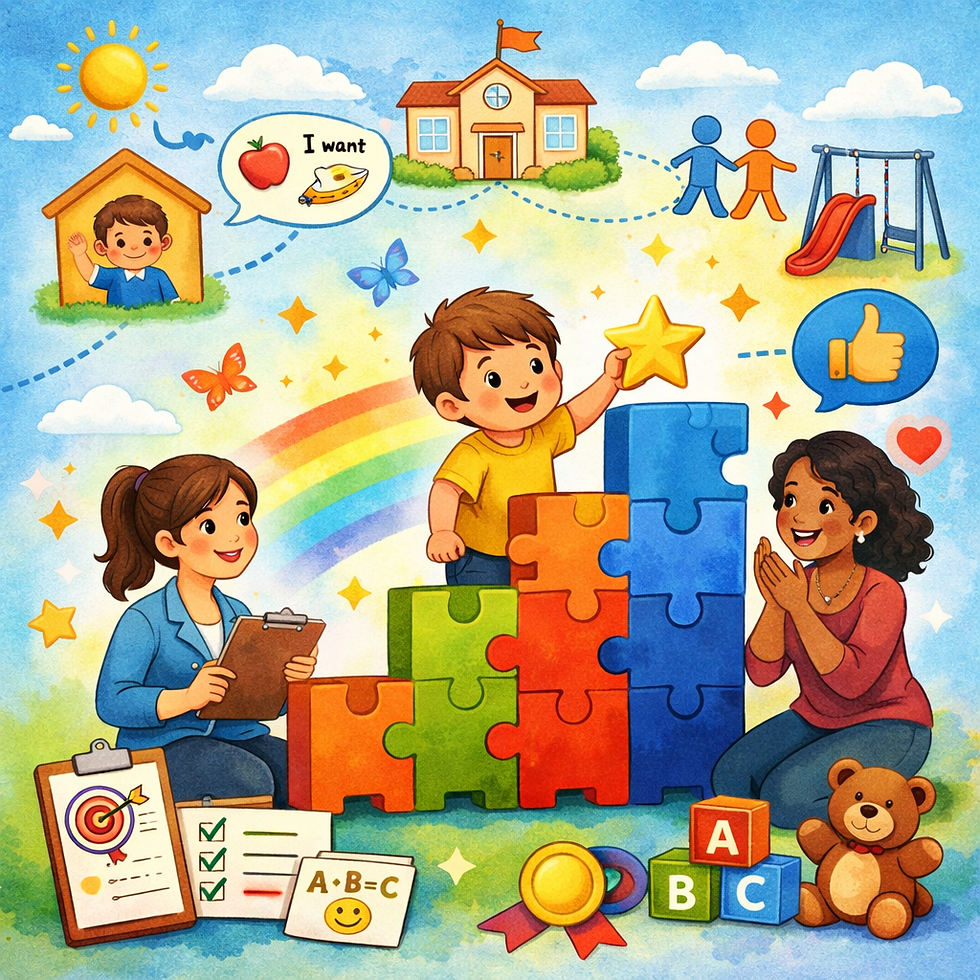
It’s also important to understand that ABA is not just about therapy sessions—it carries over into real life. Skills learned through ABA can help individuals succeed at home, in school, and in the community. From learning how to make eye contact during conversations to completing daily routines independently, these “small wins” lead to long-term growth.
Of course, like any approach, ABA works best when it is compassionate, respectful, and person-centered. The goal is not to change who someone is, but to support them in reaching their fullest potential in a way that feels comfortable and empowering.
At the end of the day, ABA is about progress—no matter how small. Because sometimes, the smallest steps lead to the biggest breakthroughs.


Comments